When shopping for bed sheets, it’s easy to assume that a higher thread count automatically means better quality. You’ve probably seen cotton sheets advertised as 800, 1000, or even 1200 thread count – and it sounds impressive.
But here’s the truth: higher thread count isn’t always better, and when it comes to linen sheets, thread count can be a misleading number. Linen is a completely different fabric with different fibers, a different weave, and different quality markers.
In this guide, we’ll explain why LinenCult focuses on what truly matters in linen bedding, how linen compares to cotton, and why GSM is a more meaningful measurement for linen than thread count.
What Is Thread Count, and Why Do People Talk About It?
Thread count is the number of threads woven into one square inch of fabric. In general, with cotton sheets, a higher thread count can mean a smoother feel – up to a point.
For cotton, many experts consider 400 – 600 thread count a “sweet spot.” After that, thread count can be artificially inflated by using thinner threads or multi – ply yarns, which doesn’t always improve comfort or durability. Sometimes it can even make sheets heavier and less breathable.
Why Thread Count Doesn’t Work for Linen Sheets
Here’s the key difference:
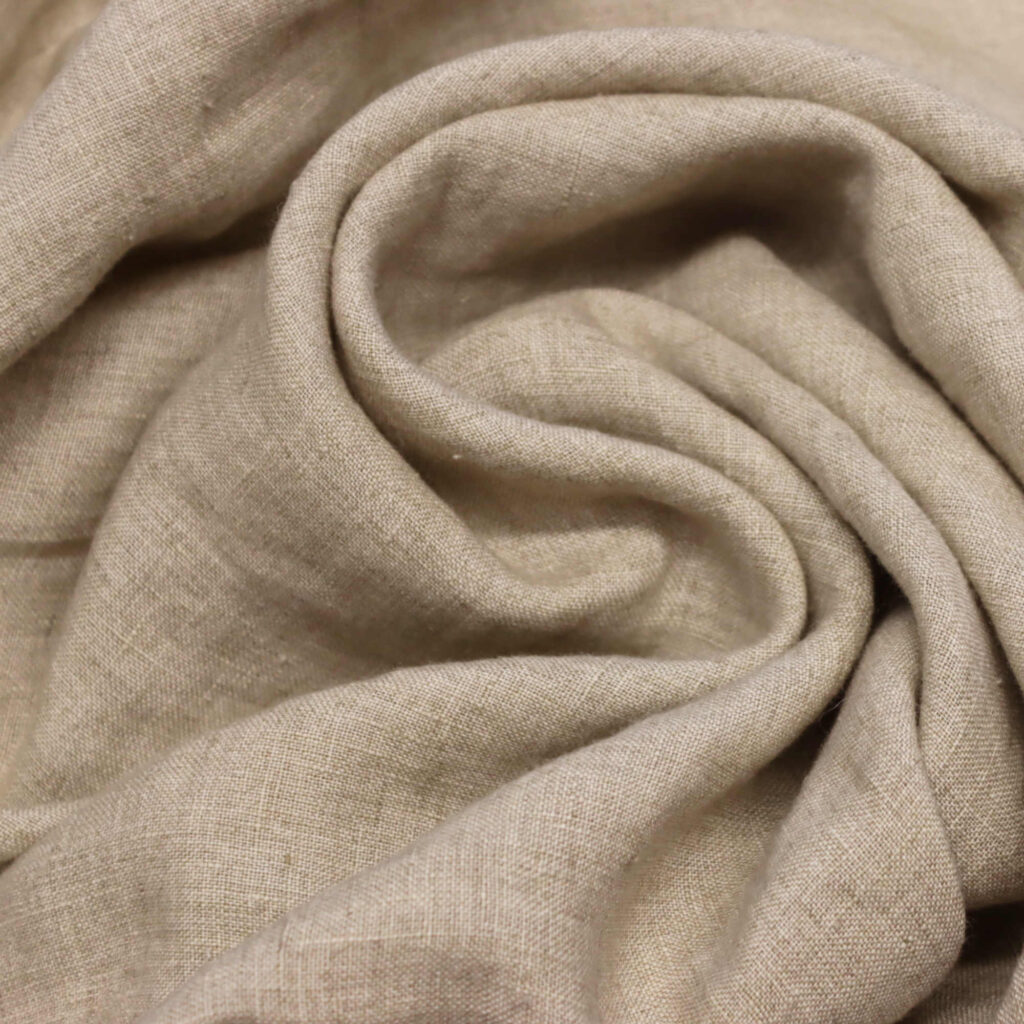
• Linen fibers (from the flax plant) are thicker and more textured than cotton fibers.
• Linen is often woven with a more breathable, relaxed weave.
Because of this, linen sheets naturally have a lower thread count (often around 80 – 150). That doesn’t mean they’re lower quality – it’s simply how linen fabric is made.
Linen Quality Is Measured in GSM, Not Thread Count
Instead of thread count, linen is usually measured using GSM (grams per square meter), which tells you the fabric’s weight and density.
• Lower GSM = lighter, airier linen (great for hot sleepers and summer)
• Higher GSM = thicker, heavier linen (great for a cozy, structured feel)
This is one reason LinenCult doesn’t obsess over thread count: GSM is a more useful way to judge linen sheets than thread count ever could be.
Linen vs. Cotton Sheets: Which One Is Better?
1) Texture and Feel
Linen sheets often feel crisp or slightly textured at first — and that’s part of their charm. With each wash, linen becomes softer, smoother, and more comfortable, without losing its breathability.
Cotton sheets (especially high thread count cotton) can feel soft right away, but many types of cotton can lose softness over time, depending on fiber quality and finishing.
LinenCult tip: If you love that “lived-in luxury” feel, linen is hard to beat.
2) Breathability and Temperature Control
If you sleep hot, linen is a game changer.
Linen is naturally breathable and allows air to flow easily through the fabric. It also absorbs moisture quickly, helping you stay dry and comfortable.
Cotton can also be breathable, but very high thread count cotton may trap heat and reduce airflow — which can leave you feeling warm or clammy.
3) Durability and Long-Term Value
Linen is one of the strongest natural fibers and is well known for lasting for years.
Linen sheets are:
• highly durable
• less likely to pill
• resistant to thinning
• better over time (they soften with washing)
Cotton sheets can wear out sooner, especially if made from shorter fibers, and may thin or tear faster with frequent washing.
What to Look for Instead of Thread Count (Especially for Linen)
When buying linen sheets, focus on:
• GSM (fabric weight)
• flax quality
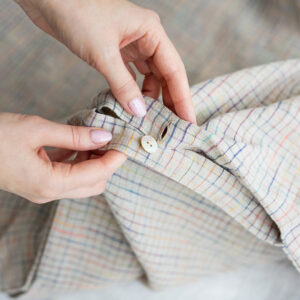
• weave and finishing
• softening process
• certifications (if available)
• overall feel and craftsmanship
At LinenCult, we prioritize premium linen and thoughtful construction – because true luxury is about comfort, breathability, and how the fabric performs over years, not a number on a label.

Linen Luxury Isn’t About a Big Thread Count
So, should you care about thread count when buying linen sheets? Not really.
Thread count can be helpful for cotton, but for linen it doesn’t reflect what makes linen special. Linen sheets are luxurious because they are:
• breathable
• moisture-wicking
• durable
• naturally textured
• softer with time
And most importantly, linen is better judged by GSM and fabric quality, not thread count.
If you’re choosing bedding for long-term comfort and effortless luxury, LinenCult linen sheets are designed to deliver exactly that – night after night.
FAQ
1) Is higher thread count better for linen sheets?
No. Linen is made from thicker flax fibers and is typically measured by GSM, not thread count.
2) What is a good GSM for linen sheets?
It depends on preference: lower GSM feels lighter and cooler, higher GSM feels thicker and cozier.
3) What matters more than thread count when buying linen sheets?
Look at GSM, flax quality, weave, finishing, and how the linen is produced.
4) Are linen sheets better than cotton for hot sleepers?
Often yes. Linen is highly breathable and moisture-wicking, helping regulate temperature overnight.
5) Do linen sheets get softer over time?
Yes. Linen naturally softens with washing and becomes more comfortable with use.